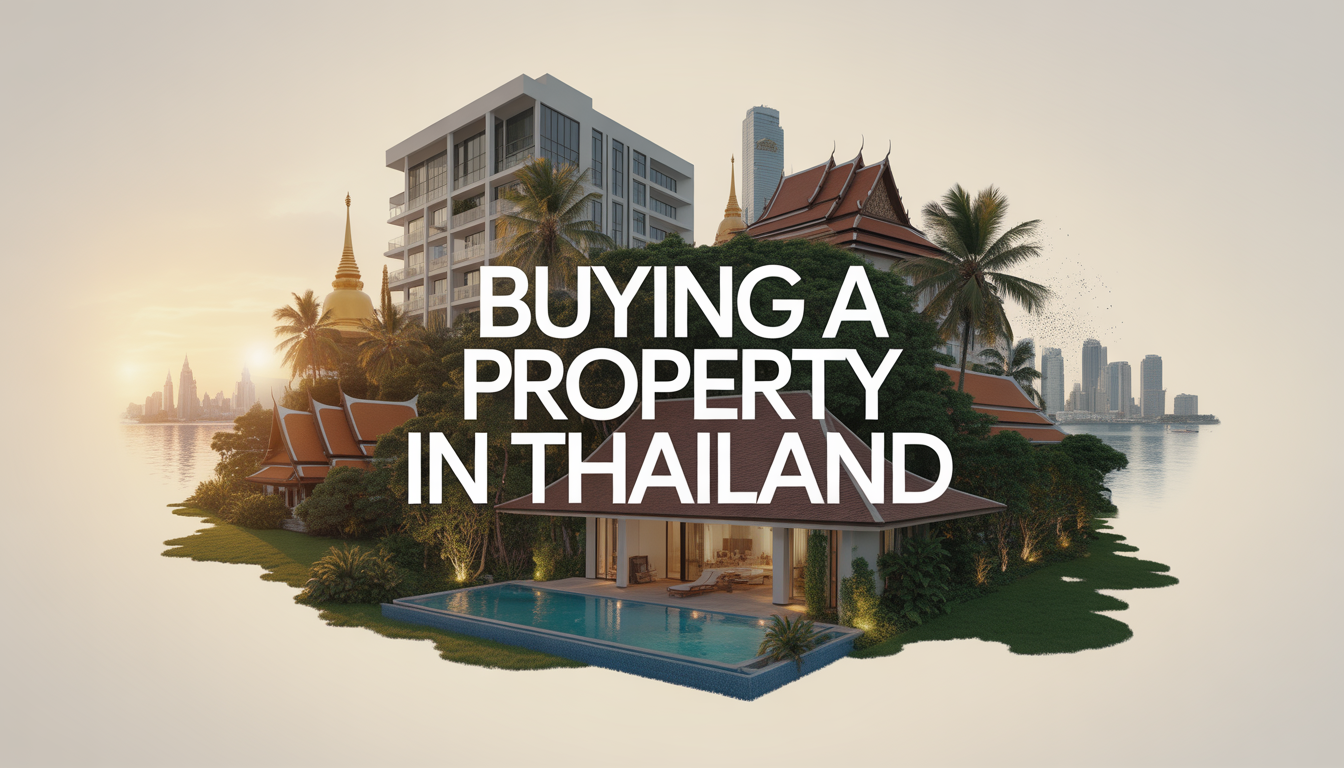
Today, Thailand is one of the favourite investment destinations when it comes to real estate within Asia. It has been attracting many foreign investors, retirees, digital nomads, and those looking to acquire a second home. Due to its tropical way of life, low cost of living, thriving tourism sector, and the ever-advancing infrastructure of the country, Thailand is an attractive place to acquire real estate. It also has its unique set of regulations when it comes to investing in real estate.
This ultimate guide reveals the pros and cons of buying a property in Thailand, the possible ownership structures for foreigners, and some professional tips to assist you in making the right choice.
Why Thailand is so Popular among Real Estate Investors?
The Thai property market remains a popular destination for international investors due to the stable tourism industry, high demand for space, and competitive pricing of properties, which is more reasonable in comparison with Western markets. Various Thai locations, including Phuket, Bangkok, Chiang Mai, Pattaya, and Koh Samui, provide various types of properties, from condos to investment opportunities.
Foreign investors are also attracted to the Thai market due to the country’s laid-back lifestyle, high standard of healthcare, and well-developed infrastructure. Moreover, the rising popularity of Thailand as a holiday and retirement destination means that there will always be a demand for short-term and long-term rental accommodation and hence real estate investment.
Pros of Buying Property in Thailand
· Affordable Property Prices Compared to Global Markets
One of the major benefits of acquiring property in Thailand is its affordability. When one considers the cost of property in Europe, Australia, and North America, he or she will discover that acquiring property in Thailand is a cheaper affair. One can get state-of-the-art apartments or beach frontages in Thailand for much cheaper rates than one can get similar property abroad.
This makes it possible for investors to diversify their investments and for lifestyle buyers to live high without breaking the bank.
· Strong Rental Income and Investment Potential
The tourism industry is a driving force behind Thailand’s economy. This translates to a huge demand for short-term vacation rentals, particularly in destinations such as Phuket or Bangkok. Properties in proximity to beaches, city centres, or points of interest tend to offer lucrative returns on investment.
The factors of short-term rentals, long-term leasing, and the demand for private accommodations during certain seasons of the year offer multiple revenue streams, making the investment climate of the Thai economy favourable for investing in property.
· Freehold Condominium Ownership for Foreigners
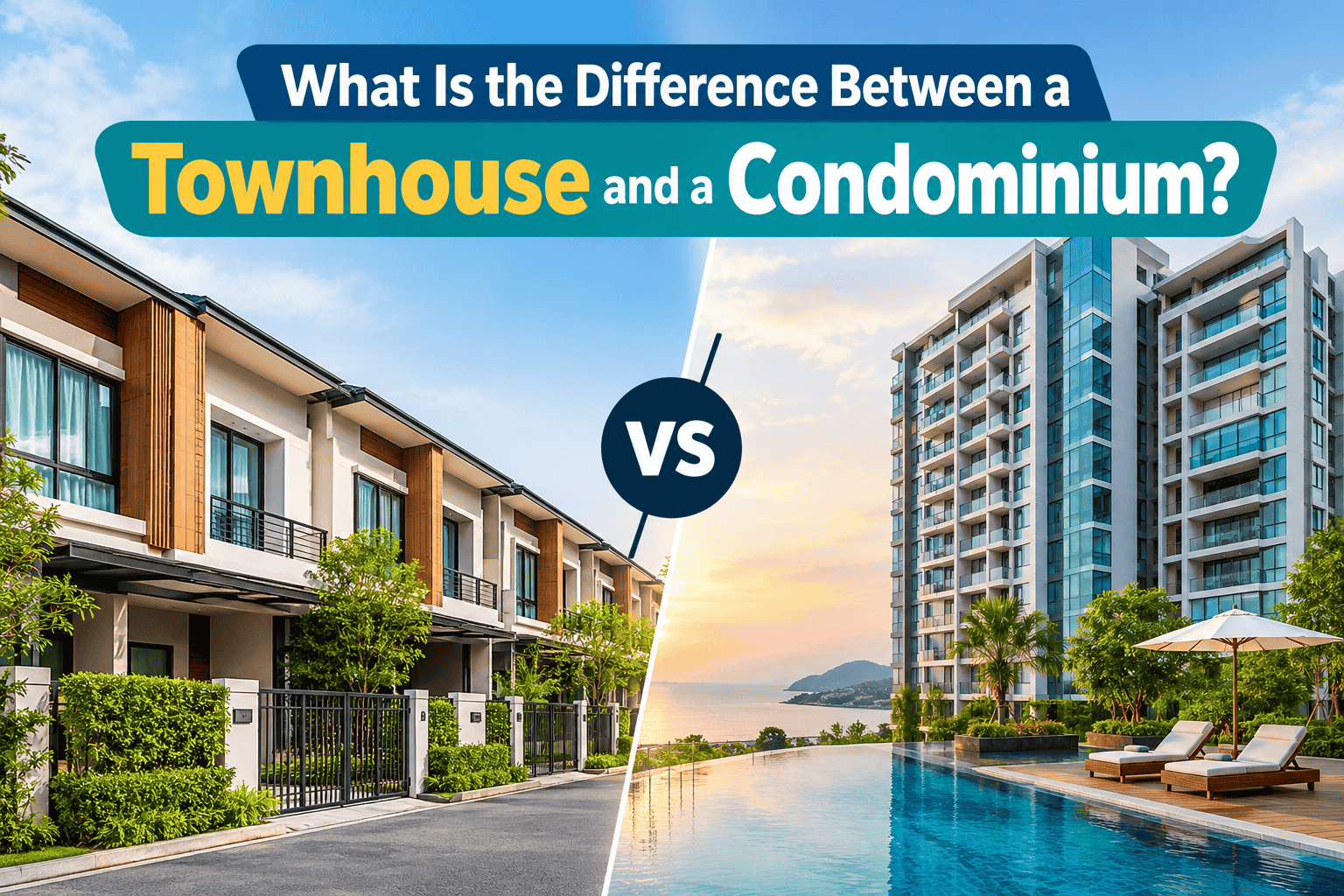
Foreigners have been permitted to hold freehold properties in Thailand, with the maximum percentage of foreign ownership not to exceed 49% of the total building space approved for condos. Thus, condos remain the most secure form of property for foreign purchases.
Ownership of a freehold condominium ensures a sense of legality and convenience of saleability and ownership, and is thus a favourite among international first-time buyers in the Thai real estate market.
· Lifestyle Benefits and Quality of Living
Thailand has one of the best lifestyles in the world, featuring warm weather, stunning geography, delicious cuisine, and a laid-back culture. Some prospective purchasers decide to make this investment because they want to retire or relocate, or telework in this country with lower living expenses, without compromising comfort.
International schools, world-class medical facilities, shopping malls, and sophisticated transportation systems are some other factors that increase the attractiveness of Thailand as a residency and investment destination.
Disadvantages of Purchasing a Property in Thailand
· Foreign Land Ownership Restrictions
Foreigners face many difficulties when investing in Thai properties. To begin, foreigners do not have the right to own land in the country. Therefore, foreign villas and homes are bought using different concepts of ownership that entail long leases, share ownership of a company, or investment plans.
Although such alternatives are legal when properly set up, they should be examined by professionals, and exercise caution should be advised against potential future problems.
· Complex Legal and Ownership Structures
Real estate law in Thai ownership is very different from what is practiced by Western nations. Some of the ownership factors can sound complicated for a first-time buyer.
Without proper professional advice, buyers may end up acquiring a property with inadequate ownership, improper building permits, or limited rights. Knowing the law is significant to protect a safe investment.
· Market Variability by Location
Real estate performance in the Thai market can differ significantly depending on the region, type of property, and market demand. While prime areas will see sharp appreciation, other areas may provide appreciation or rental appreciation.
It is important for buyers to assess and study Location Trends and Investment, and Infrastructure Development, rather than making an incorrect assumption that all Thai property is created equal.
How to Purchase Property in Thailand as a Foreigner?
Foreigners are allowed to own freehold property in condominiums, making this choice completely safe. Regarding buying villas and/or houses, foreigners favour long leasehold agreements with 30 years as common practice, as well as property ownership through registered Thai companies.
Knowledge about ownership rights, renewal periods, and the term for reselling is imperative. Doing business with a reputable realty company and lawyer helps you conform to the laws of the Thai government.
Expert Tips for Buying a Property in Thailand
1. Choose the Right Property Type for Your Goals
You should carefully identify your purpose: investment, lifestyle, or retirement. For example, if it is for investment, a condominium unit is perfect. If it is a lifestyle, then consider a villa because it is more private.
2. Research the Location Carefully
Research location can be one of the most important elements within a real estate agency in Thailand. Those that are closest to beaches, city centers, transportation hubs, and lifestyle amenities tend to be better performing with respect to their potential to generate income and appreciation in value.
Future infrastructure projects, zoning plans, and the development of the tourism industry could also be taken into consideration when choosing the location.
3. Verify Legal Documents and Ownership Status
Prior to buying, it is prudent to check if the title deeds, construction permits, and property ownership are genuine. The property should be registered, free from any charges, and in compliance with zoning policies.
Such a step is of much significance, especially when one decides to purchase off-plan properties, as well as resale units.
4. Understand Total Costs and Taxes
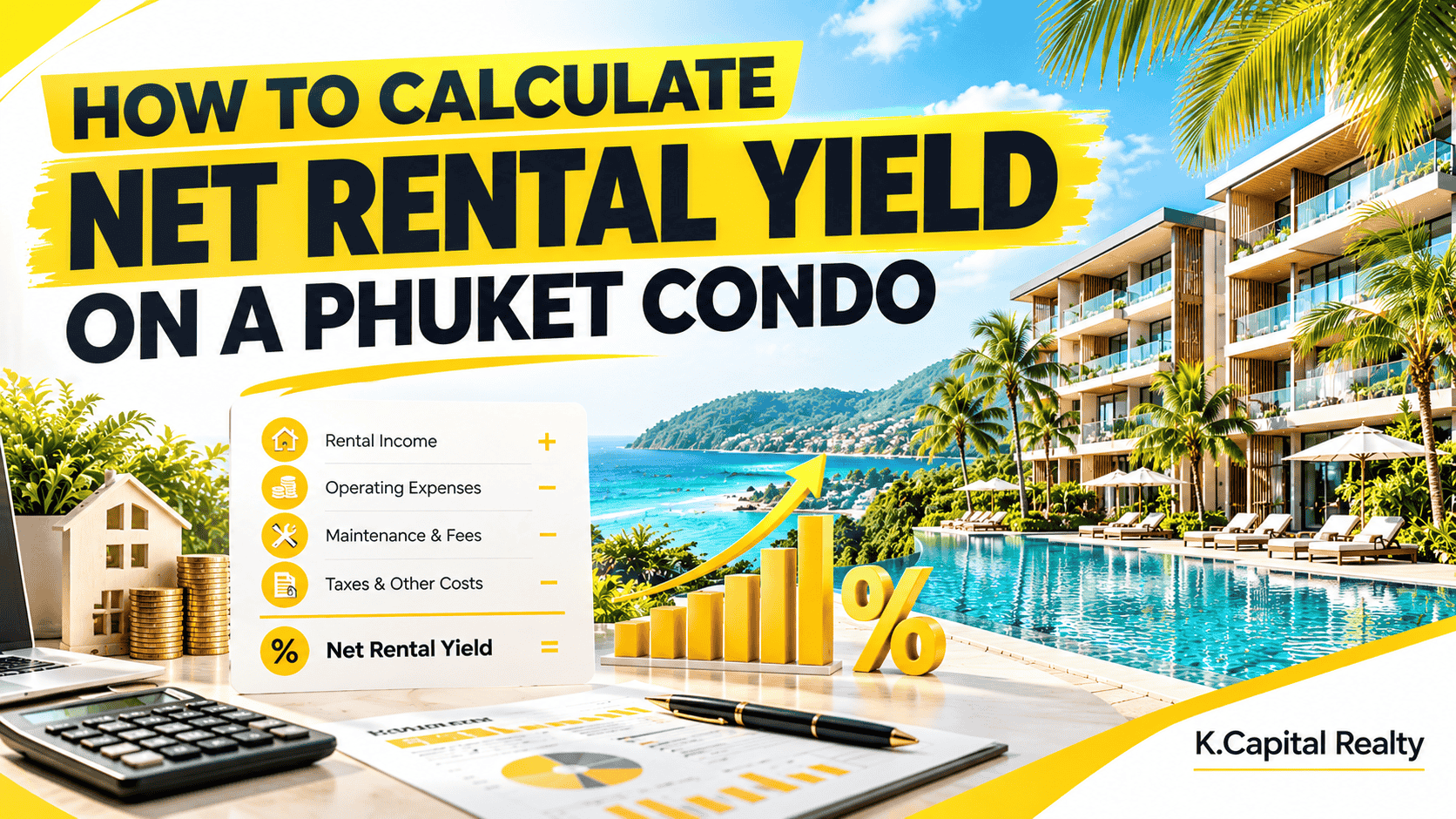
In Thai property purchases, other expenses are also involved, including transfer fees, taxes, attorney fees, and maintenance fees. This knowledge is important in helping home buyers accurately budget and prepare for expenses.
This not only helps in achieving transparency but also avoids any financial surprises during the transaction.
5. Work With a Trusted Local Real Estate Expert
But the Thai real estate market can be quite tricky to traverse without the help of local knowledge. Here is where a reliable real estate agency, such as K.Capital Realty, comes to the rescue.
Knowing that local professionals are on your side means a smoother purchase process, legal protection, and access to prime opportunities.
Off-Plan vs Ready Properties for Sale in Thailand
Off-plan properties can offer lower pricing as well as flexible payment terms, but they come with the risks associated with construction and delivery. Ready-to-move-in properties can provide immediate use as well as income, but they could be more expensive.
Homebuyers need to consider factors such as risk level, budget, and time involved while making decisions between off-plan and completed property developments
Is Purchasing Property in Thailand a Good Investment?
However, once potential buyers do proper research and take expert advice, purchasing a property in Thailand can be a very rewarding experience. Tourism demand, lifestyle, and generally low prices make Thailand a competitor in the international real estate market.
The keys to success are finding the right property, having knowledge about legal structures, or hiring qualified professionals.
Conclusion: To Invest or Not to Invest in Thailand?
Buying a property in Thailand presents a special experience where one can enjoy a lifestyle alongside investment opportunities. Even though certain complexities exist in buying property in Thailand, these can be overcome by proper assistance and advisory support. By recognizing the pros and cons, utilizing the proper ownership scheme, and taking professional guidance, individuals can proceed to invest in the Thai market without hesitation. If one plans to buy property in Thailand, taking the services of experts like K.Capital Realty will make the entire process safe and viable.