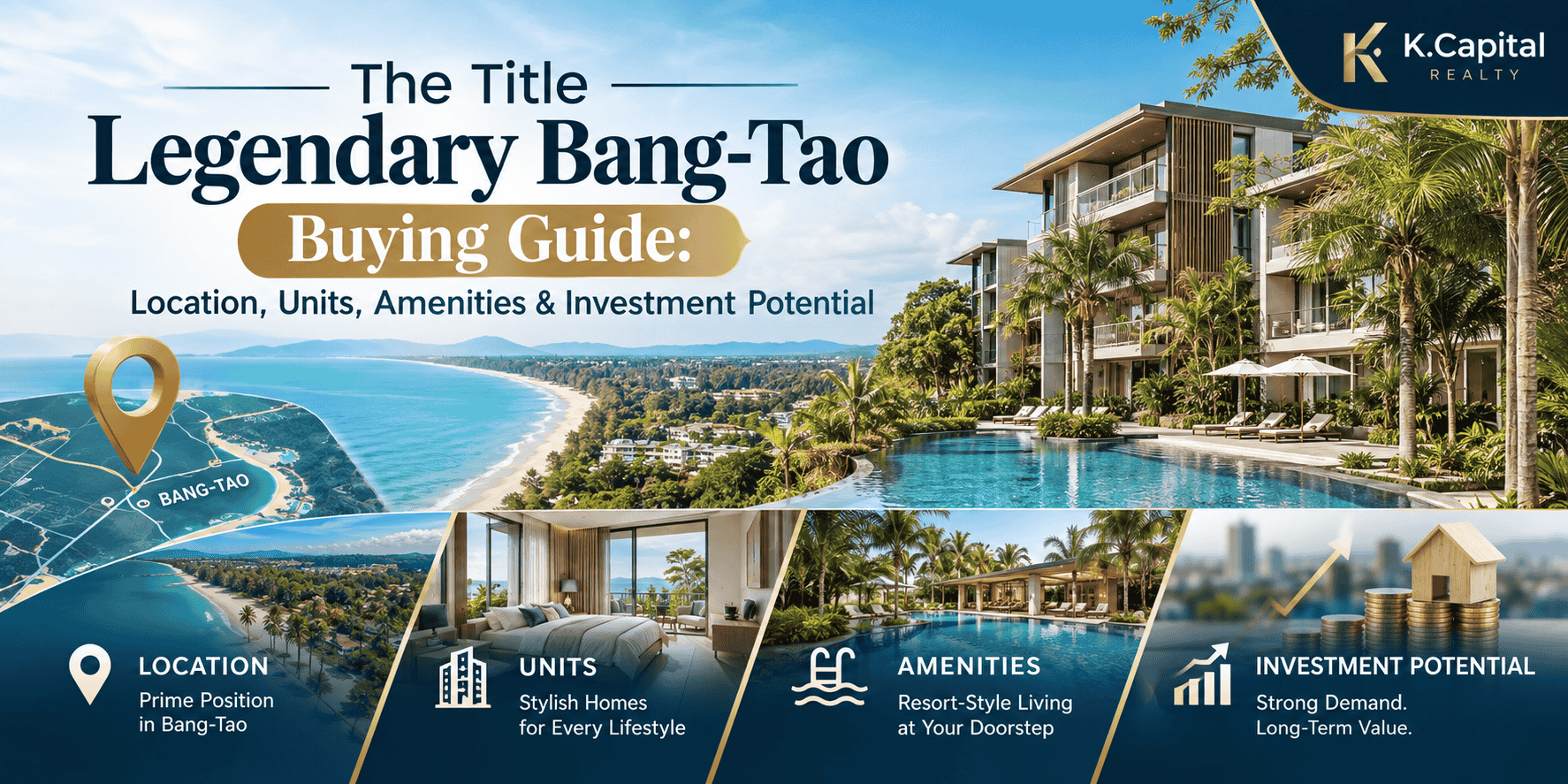

The Phuket property market continues to attract strong international interest in 2026. With growing tourism, expanding infrastructure, and rising demand for luxury living, Phuket remains one of Southeast Asia’s most attractive destinations for real estate investment.
Areas such as Bangtao, Kamala, Kata, and Rawai continue to see high demand from foreign buyers looking for holiday homes, retirement properties, rental investments, and long-term capital appreciation.
At the same time, Thailand’s legal framework for foreign property ownership remains highly regulated. Buyers must understand Phuket real estate laws, ownership structures, taxes, and legal procedures before purchasing property.
For overseas investors, understanding the Phuket real estate market rules and regulations 2026 is essential for making secure and compliant investment decisions.
Foreign Ownership Rules in Thailand
Thailand welcomes foreign investment in the property sector, but ownership rights for non-Thai nationals are governed by specific laws.
Under current Thailand property laws for foreigners, overseas buyers cannot directly own land in most circumstances. However, foreigners can legally own condominium units, lease land, and invest through approved legal structures.
The safest and most common ownership methods for foreigners include:
- Freehold condominium ownership
- Long-term leasehold agreements
- Ownership of buildings separate from land ownership
Thai authorities have continued tightening enforcement against illegal nominee arrangements in 2026. Foreign investors should avoid any structure that attempts to bypass land ownership restrictions through unofficial local partnerships.
A legally compliant investment structure is essential for protecting ownership rights and ensuring smooth future resale transactions.
Condominium Ownership Laws for Foreigners
Condominiums remain the most straightforward and secure form of Phuket property ownership for foreign buyers.
Under the Thai Condominium Act, foreigners may legally own up to 49% of the total saleable area within a condominium project. This is commonly known as the “foreign freehold quota.”
To qualify for foreign freehold ownership:
- Funds must be transferred into Thailand from overseas in foreign currency
- The receiving Thai bank must issue a Foreign Exchange Transaction (FET) form
- Ownership must be registered with the local land department.
Before purchasing a condominium in Phuket, buyers should verify:
- Availability within the foreign ownership quota
- Developer licenses and approvals
- Building permits
- Common area management structure
- Maintenance fees and sinking fund obligations
Many international investors prefer condominiums because they offer simpler ownership rights, stronger legal clarity, and easier resale opportunities compared to land-based property structures.
Leasehold vs Freehold Structures Explained
Understanding freehold and leasehold ownership structures is one of the most important aspects of buying property in Phuket.
Freehold Ownership
Freehold ownership gives permanent ownership rights and is available to foreigners only for qualifying condominium units within the legal foreign quota.
Advantages of freehold ownership include:
- Full ownership rights
- Better long-term investment security
- Easier inheritance transfer
- Stronger resale appeal
- Greater legal certainty
Leasehold Ownership
Leasehold structures are commonly used for villas and land-based properties in Phuket.
Foreigners may legally lease land for up to 30 years, with potential renewal clauses included in the agreement. However, renewal clauses are contractual agreements and not automatically guaranteed under Thai law.
In most villa transactions:
- The land is leased
- The building or villa structure is owned separately
A professionally drafted lease agreement and legal registration at the Land Department are essential for protecting leasehold rights.
Land Ownership Restrictions for Non-Thais
Thailand continues to maintain strict land ownership restrictions for foreigners in 2026.
Non-Thai nationals generally cannot directly own:
- Residential land
- Villa plots
- Agricultural land
- Development land
Although there have been periodic discussions about foreign land ownership reform, no major nationwide changes have been implemented as of 2026.
Foreign buyers should be cautious about:
- Nominee company arrangements
- Informal ownership agreements
- Unregistered lease contracts
- Verbal side agreements
Thai authorities have increased investigations into illegal ownership structures, particularly in high-demand tourist destinations such as Phuket.
Working with qualified legal professionals helps buyers avoid unnecessary legal risks and ensures compliance with current Phuket property regulations.
Updated Government Regulations & Policy Changes in 2026
Several regulatory developments continue influencing the Phuket property market in 2026.
Key trends include:
- Increased Compliance Monitoring: Thai authorities are paying closer attention to foreign ownership documentation, source of funds verification, and company structures.
- Stricter Anti-Nominee Enforcement: Government agencies continue targeting illegal land ownership schemes involving Thai nominee shareholders.
- Environmental and Zoning Oversight: New development approvals in Phuket are increasingly subject to environmental impact reviews, coastal protection regulations, and zoning controls.
- Digital Land Office Improvements: Thailand continues modernizing parts of its property registration system, improving transparency and efficiency during ownership transfers.
For buyers, these regulatory shifts reinforce the importance of proper legal due diligence and professional transaction support.
Taxation on Property Purchase & Ownership
Foreign buyers should fully understand the taxes and fees associated with Phuket real estate market rules and regulations transactions.
- Transfer Fee: Typically, 2% of the government appraised value and often shared between buyer and seller.
- Specific Business Tax (SBT): Usually applies if the seller owned the property for less than five years.
- Stamp Duty: Charged in certain transactions where SBT does not apply.
- Withholding Tax: Calculated differently for individual and corporate sellers.
- Annual Land and Building Tax: Applicable to property owners, particularly investment and rental properties.
Additional costs may include:
- Legal fees
- Maintenance fees
- Sinking fund contributions
- Utility setup charges
Investors planning to generate rental income should also seek advice regarding personal income tax obligations in Thailand.
Due Diligence and Legal Checks Before Buying Property?
Due diligence is one of the most critical steps in any Phuket real estate market rules and regulations transaction.
A professional legal review should include:
- Title deed verification
- Ownership history checks
- Encumbrance and mortgage searches
- Building permit verification
- Environmental compliance review
- Foreign quota confirmation for condominiums
- Developer reputation assessment
For off-plan developments, buyers should also examine:
- Construction timelines
- Escrow arrangements
- Contract cancellation clauses
- Completion guarantees
- Payment schedules
A qualified property lawyer should review all contracts before any deposit is paid.
Common Risks and How to Avoid Them
Foreign buyers can avoid most legal and financial issues through careful planning and proper legal guidance.
Common risks include:
- Buying Without Legal Review: Never rely solely on verbal assurances from developers or sellers.
- Using Illegal Ownership Structures: Nominee arrangements can create serious legal exposure.
- Ignoring Project Licenses: Always verify permits and approvals before purchasing off-plan property.
- Overlooking Rental Restrictions: Some condominium projects restrict short-term rentals due to licensing regulations.
- Underestimating Ownership Costs: Maintenance fees, taxes, and transfer expenses should be included in investment calculations.
Working with experienced local professionals significantly reduces these risks.
Investment Opportunities in Phuket Real Estate Market
Despite stricter regulations, Phuket remains one of Asia’s strongest lifestyle and investment property markets.
Key investment drivers in 2026 include:
- Continued tourism growth
- Rising luxury villa demand
- Expanding wellness and retirement market
- Strong rental yields in prime areas
- Limited beachfront development supply
Locations such as Kamala, Bangtao, Kata, and Rawai continue attracting international buyers seeking premium properties with long-term value potential.
Well-located condominiums and professionally managed villas remain particularly attractive for overseas investors.
Why Work with a Professional Real Estate Agency in Phuket
Navigating Thailand property laws for foreigners requires local market expertise and legal understanding. K.Capital Realty specializes in helping international buyers safely purchase condos and villas in Phuket’s leading residential and investment areas.
The agency focuses on property sales in:
- Kamala
- Bangtao
- Kata
- Rawai
By working with trusted legal partners and experienced local professionals, K.Capital Realty helps clients:
- Identify legally compliant properties
- Understand ownership structures
- Navigate due diligence procedures
- Coordinate secure transactions
- Make informed investment decisions
Professional guidance is especially valuable for overseas buyers unfamiliar with Thailand’s property regulations.
Conclusion: Outlook of Phuket Property Market in 2026
The Phuket property market remains resilient and highly attractive for international investors in 2026.
Although Thailand maintains clear restrictions on foreign land ownership, legal pathways for condominium ownership and structured leasehold investments continue providing strong opportunities for overseas buyers.
With increasing transparency, stronger regulatory oversight, and continued global demand for Phuket real estate market rules and regulations, the market is expected to remain active in the coming years.
For buyers seeking lifestyle benefits, rental income potential, and long-term investment value, Phuket continues to stand out as one of the region’s most desirable property destinations.
FAQs: Phuket Real Estate Market Rules and Regulations 2026
Can foreigners buy property in Phuket legally?
Yes. Foreigners can legally buy condominium units under the foreign freehold quota and may lease land for villas and houses.
Can foreigners own land in Thailand?
In most cases, foreigners cannot directly own land in Thailand. Leasehold agreements are the most common legal solution for villa ownership.
What is the foreign ownership quota for condos in Thailand?
Foreigners may collectively own up to 49% of the total saleable area within a condominium project.
Is freehold or leasehold better in Phuket?
Freehold ownership offers stronger long-term ownership rights, while leasehold is commonly used for villas and land-based properties.
What taxes do buyers pay when purchasing Phuket property?
Buyers may pay transfer fees, legal fees, maintenance costs, and other transaction-related expenses depending on the property structure.
Why is legal due diligence important in Phuket real estate?
Due diligence helps verify ownership rights, permits, zoning compliance, and legal status before purchase, reducing investment risks.
Is Phuket still a good property investment in 2026?
Yes. Phuket continues attracting international buyers due to tourism growth, luxury property demand, strong rental potential, and limited prime coastal supply.